
A human-centred approach to mental health in the workplace
Since the COVID-19 pandemic all kinds of employers have reexamined their approach to good mental health in the workplace. It is only fitting that as we navigate the ‘new normal’ The National Mental Health Commission has launched a digital platform to help support just that.
I was part of a product development team that designed and user-tested Mentally Healthy Workplaces, a resource platform that aims to help every Australian workplace to plan, build and implement mental health initiatives.
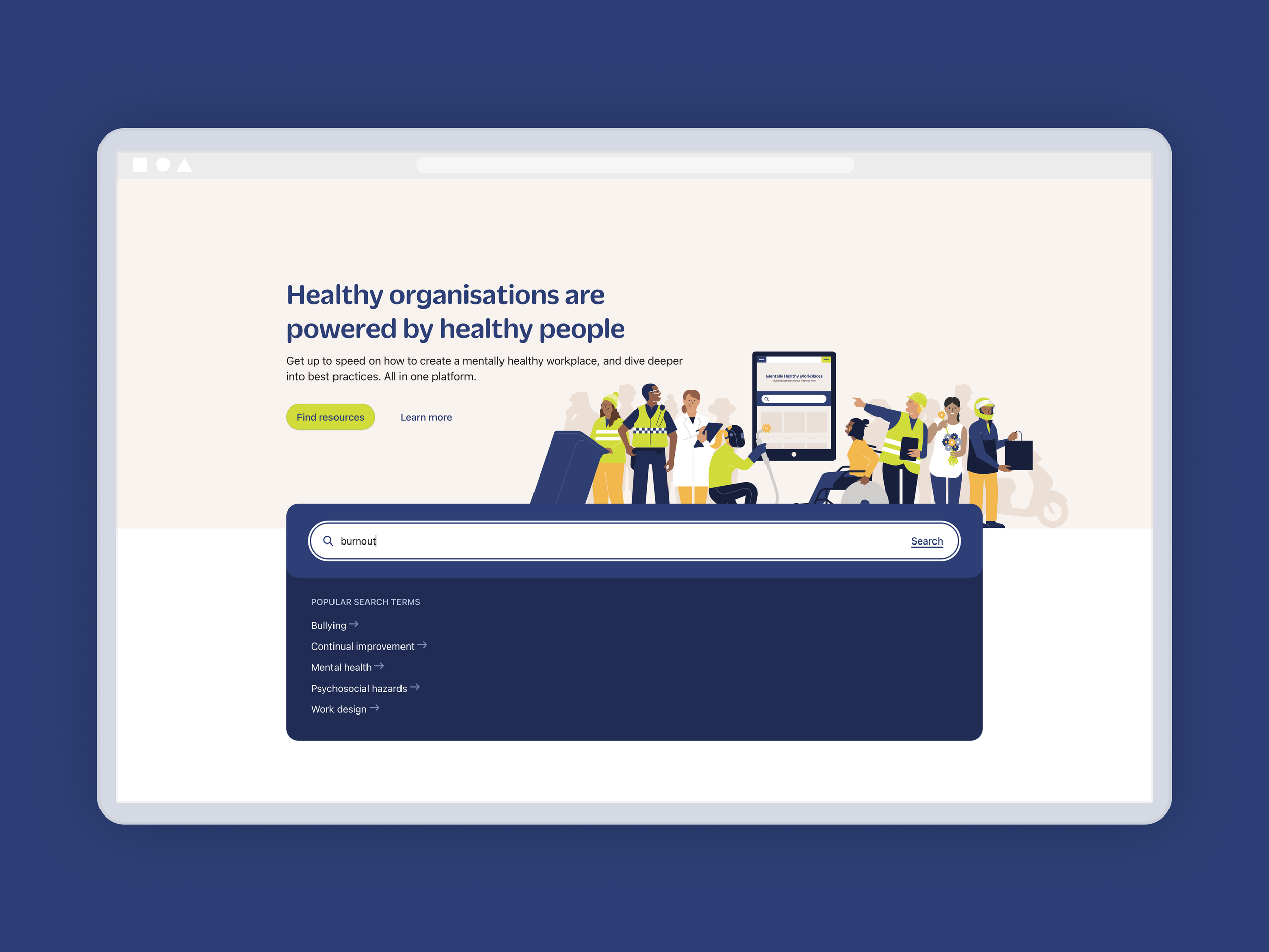
The goal of NMHC’s workplace initiative was to translate a blueprint for mental health practices into an engaging and helpful digital experience.
The benefit of the site was that it allowed users to access the evidence based framework as well as connect them to a variety of other content and services from a range of providers.
Research identified two audience segments; reactive (usually small to medium) and proactive (usually larger) organisations.
The client initially proposed that an action plan would be a key feature of the platform. It was to be a sequential selection of content that addresses issues an organisation might have and users could self-select which level they were at. The platform would also provide searchable resources for those users needing a quick answer on a specific topic.
As well as this, the Mentally Healthy Workplaces Alliance has a mission to promote better mental health practices in every Australian workplace. This meant increasing awareness and access, and nudging reactive users towards information that could support a more proactive and strategic approach.

Product design built on co-design and iteration
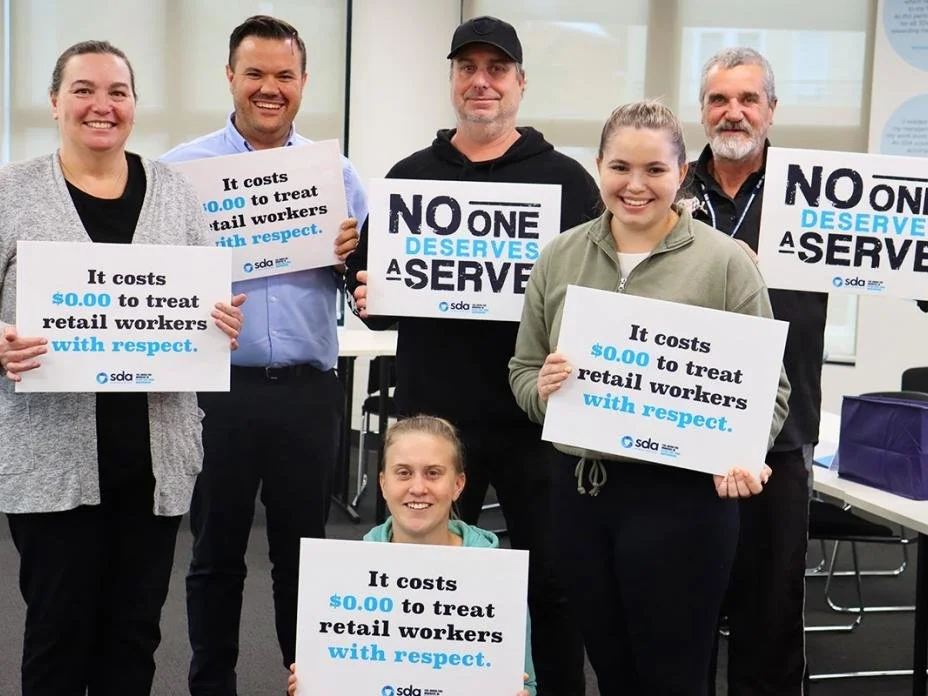
We kicked off the project with a series of sketch sessions with stakeholders from the Workplace Initiative. This ensured we leveraged the knowledge of subject matter experts in our proposed solutions. Dot voting on ideas helped us converge and start wireframing.
Sketching
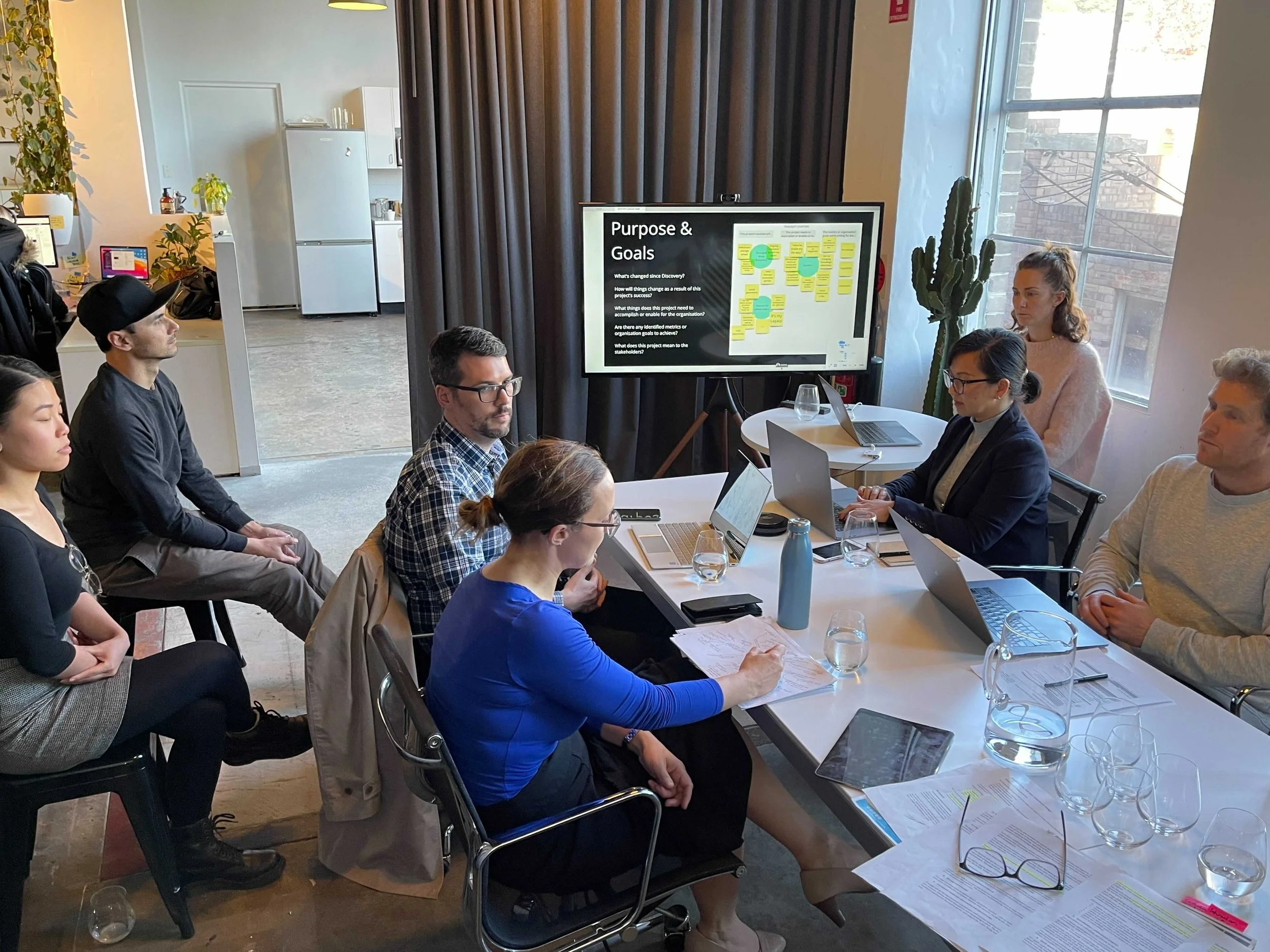
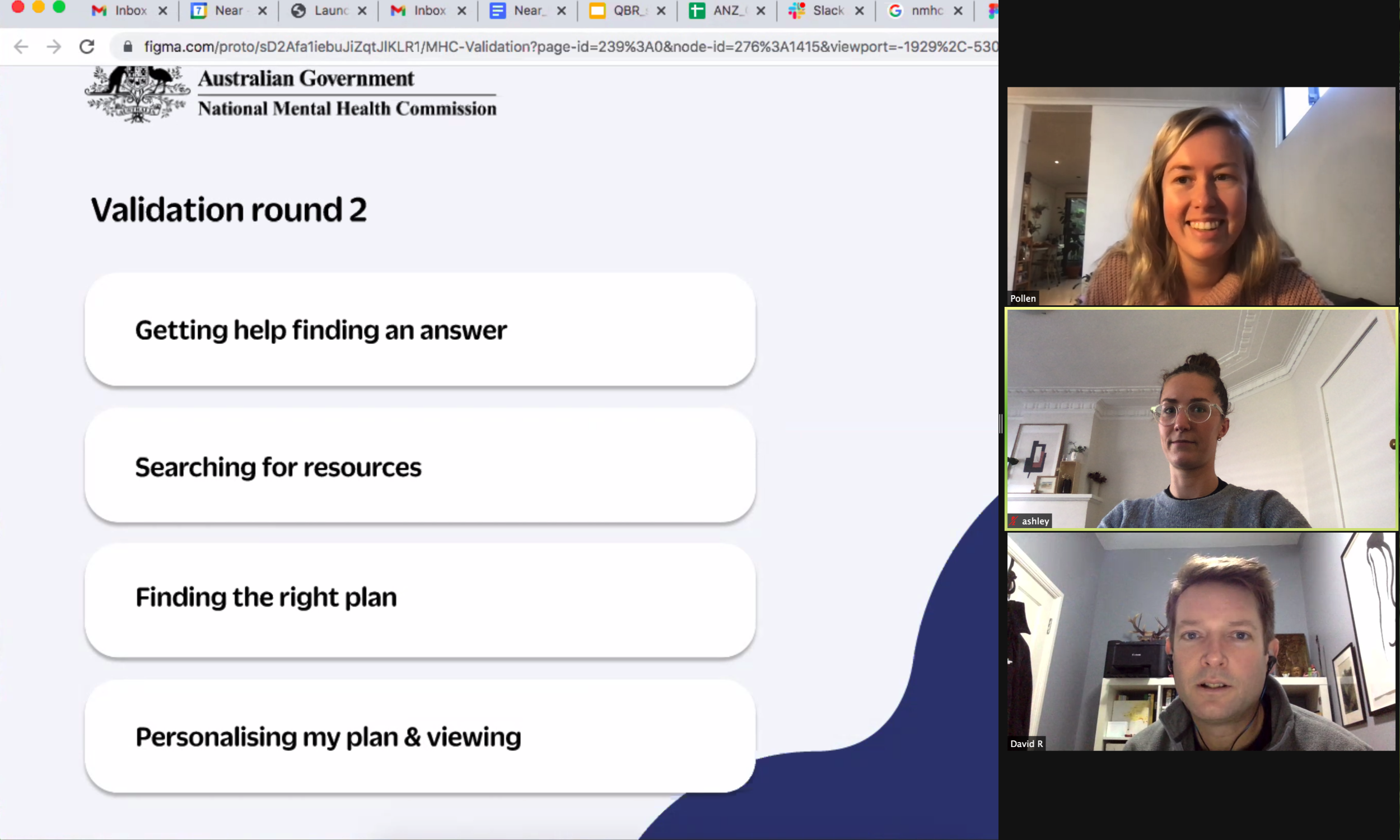
Across the 9 sprints, we ran 3 validation studies with a total of 27 participants from a range of contexts. We ensured that we received feedback on prototypes from people across different roles, business sizes, industries, locations and experience improving mental health practices in the workplace.
Direct feedback on designs as well as anecdotes from people’s workplaces helped us understand how the platform would fit into their BAU.
Concept testing
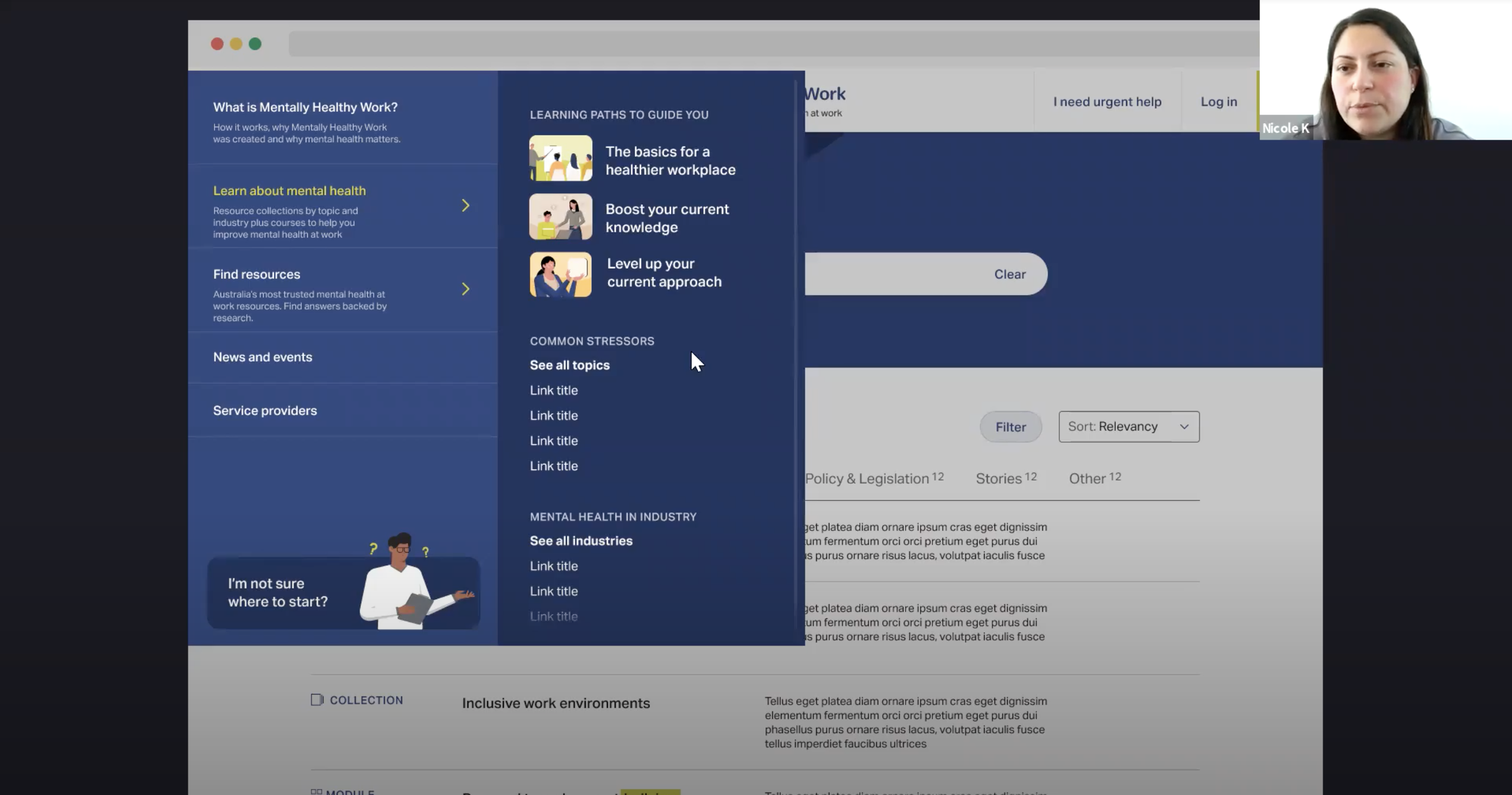
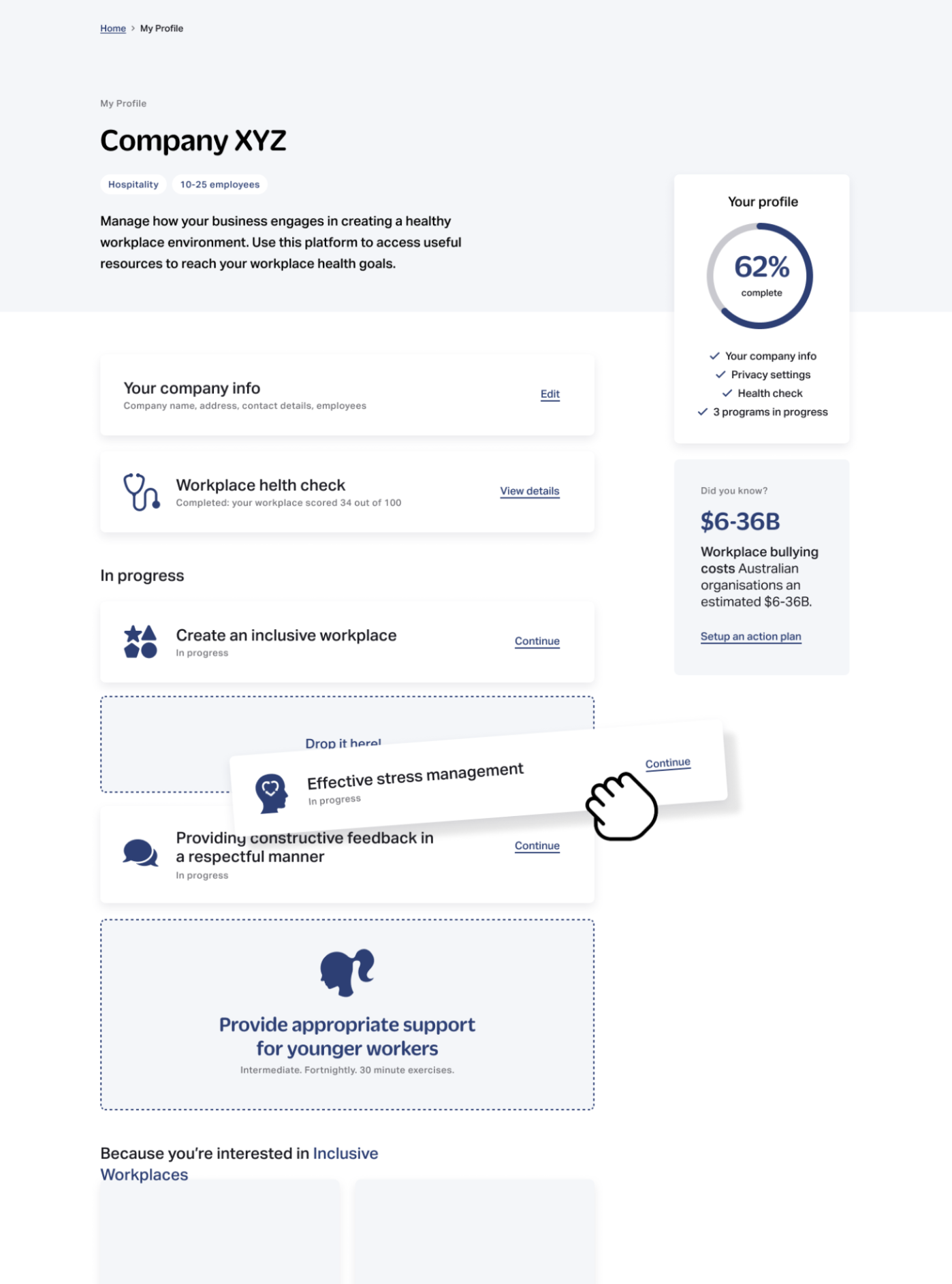
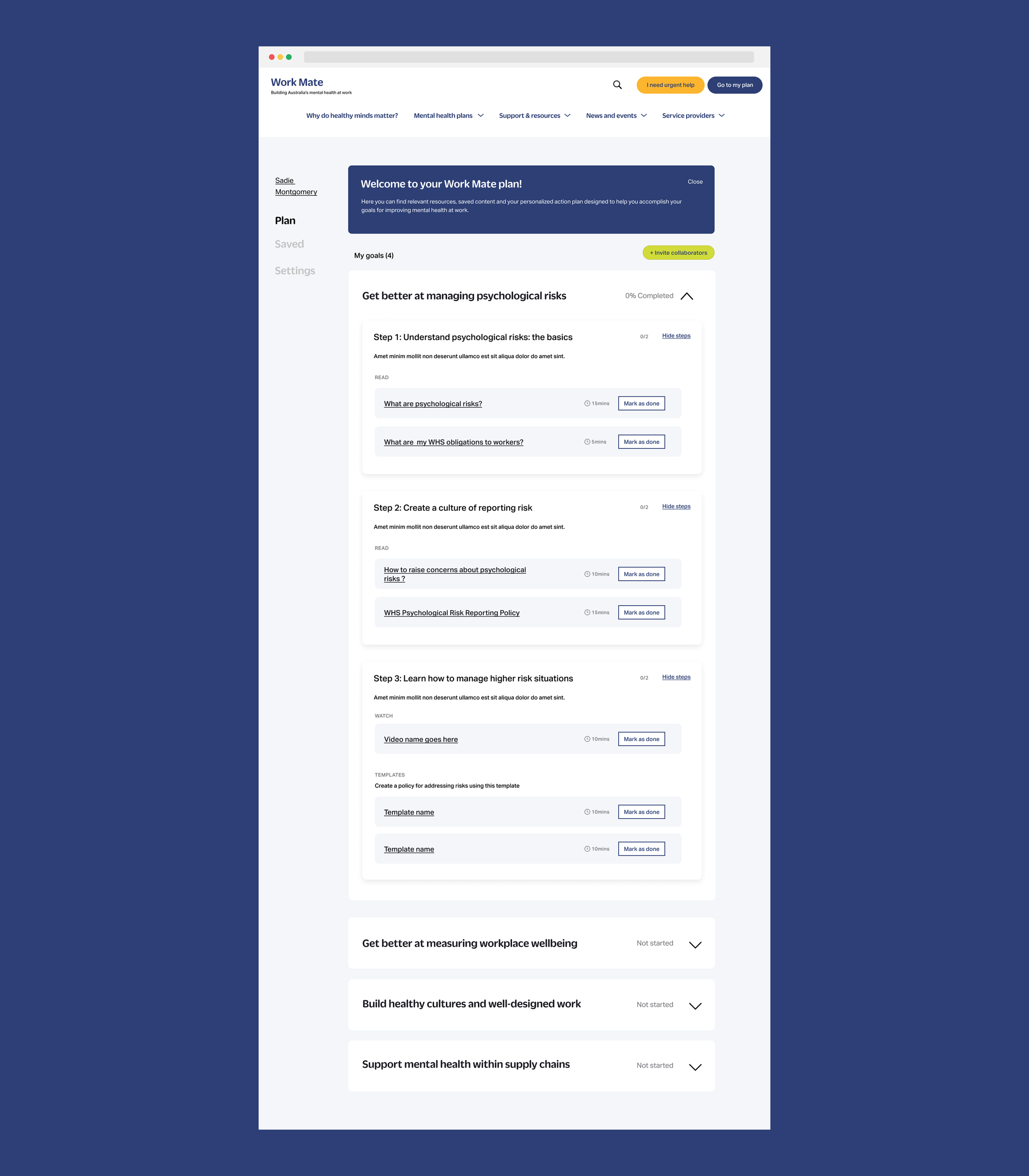
The second iteration put forward a prototype of the action plan. We wanted to know how a range of users responded to the way we structured content for a more systemic approach… Was it clear? Did it suit the way they actually worked? Were they motivated by goals to progressively work through content?
The action plan was designed to be as sophisticated or as simple as the organisation needed in the hopes that workplaces or all sizes and experience levels could gain benefit from it.
Prototype validation
Re-evaluating the offering based on user feedback
Synthesising the feedback from the second round of interviews I noticed two crucial themes emerging:
In an effort to serve every Australian workplace the value proposition was unclear and watered down. For this reason the product offering didn’t resonate widely with participants.
The action plan as it was devised wasn’t necessary for larger businesses who already had strategies and wasn’t accessible for smaller business who didn’t have time to plan.
We weren’t at square one, but the features we’d chosen to deliver and copy we used speak about their value needed revising.
Feedback also uncovered a new need. Participants wanted to customise the plan. What if some goals were more relevant for their team than others? Could they pick and choose?
“What would be good is if you could create your own goals for the plan or choose a goal for my plan. That would be useful.”
Being prepared to pivot
I knew that redesigning the main feature of the platform was a huge task and would require stakeholder buy in.
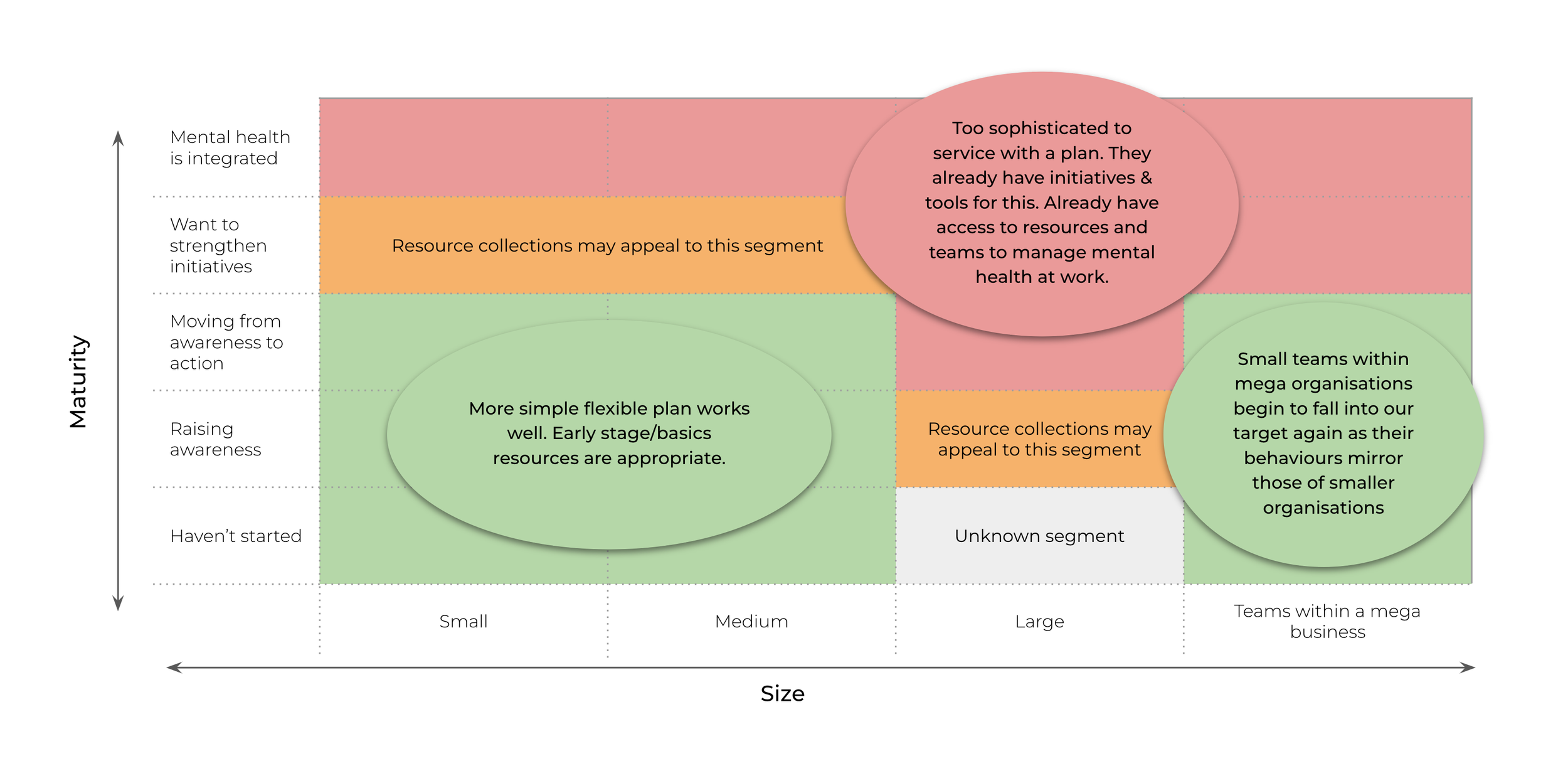
I synthesised themes from the interviews into a matrix that plotted what was valuable to each of our many sub segments. This allowed the team to see clear clusters of needs and match features to distinct user groups. I walked stakeholders through the findings and facilitated a conversation to get us back on track.
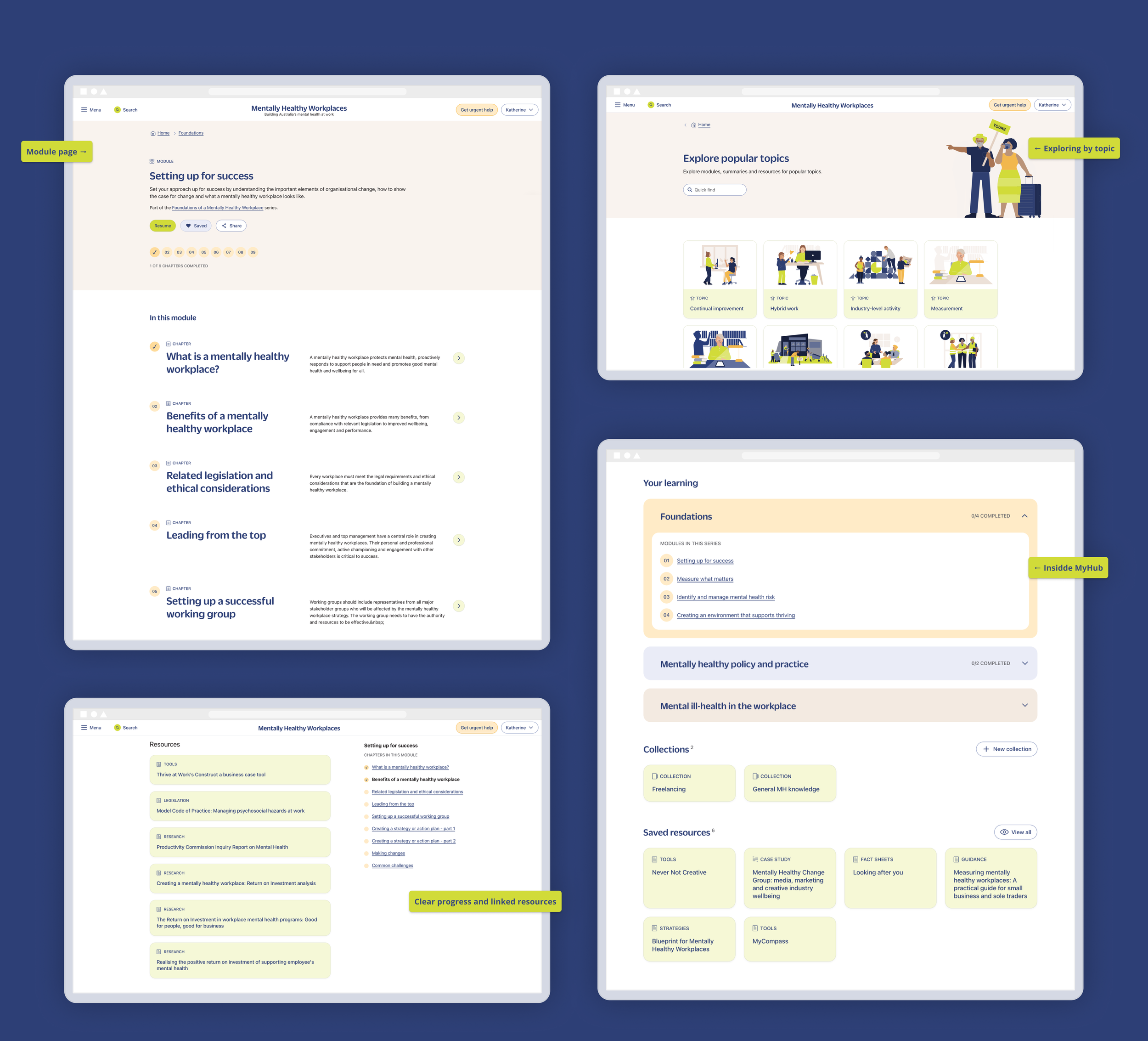
This re-prioritisation led to the next iteration of the product MyHub; users create an account to save resources that match their organisation, where they can save progress on modules. This model of interaction was more flexible to a wide range of use cases and presented educational material from the Commission’s framework in an approachable and motivating way.
Beta testing participant
“MyHub is really spot-on! I love how the modules under 'your learning' are super easy to follow, the links appear on the right hand side of the page so I can continue without having to go back to the MyHub page. The information is set out in such a way that I can follow it easily as I read through.”
Beta testing participant
“The sections down the bottom, where I can save my resources for quick reference is perfect… Seeing where I can save (and organise!) my resources has made me feel better about the amount of information that is available.”
More like this
Scripts by honahlee
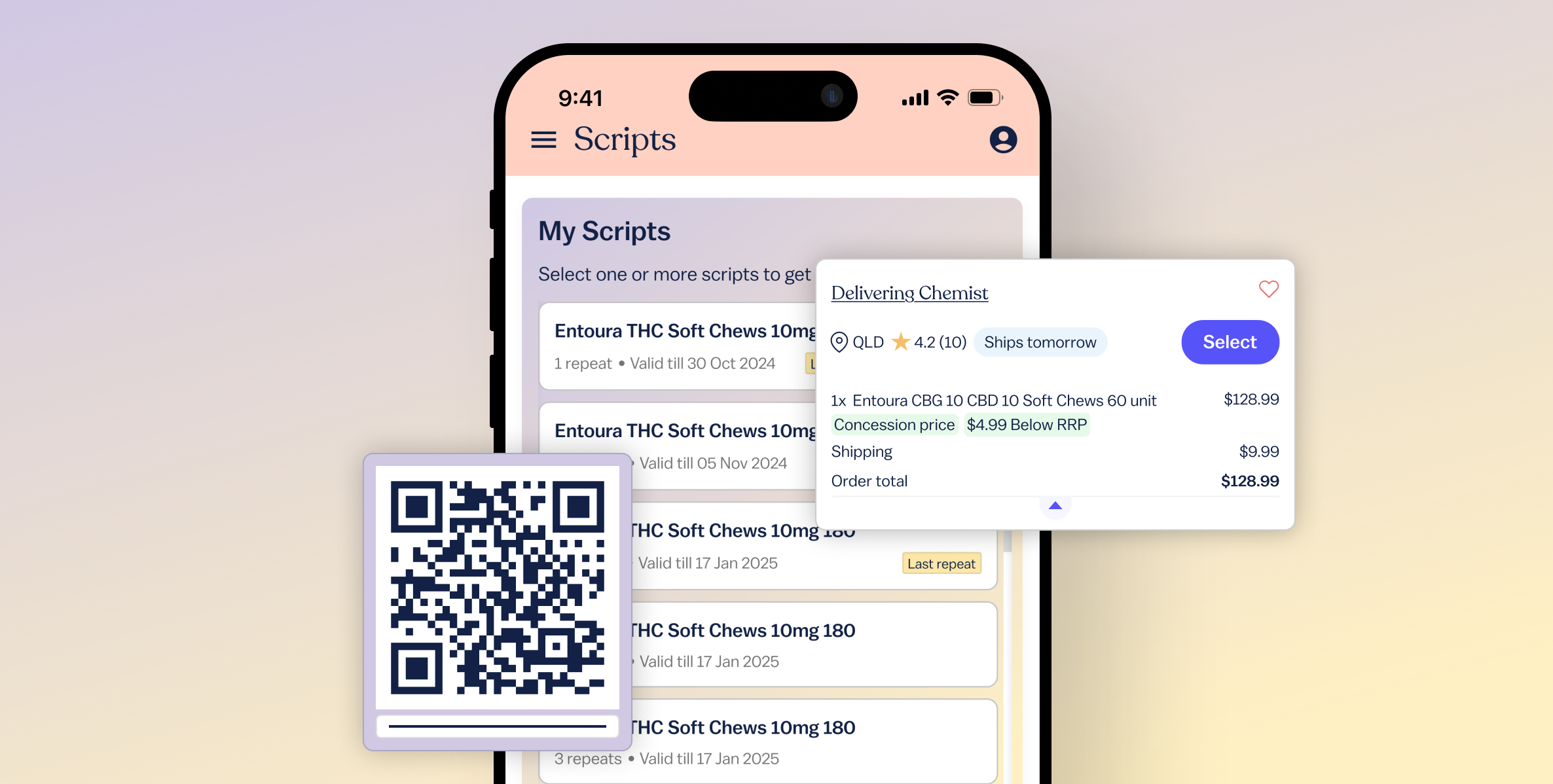
Improving the way medical cannabis patients receive and fill their e-scripts online.
Network Connections
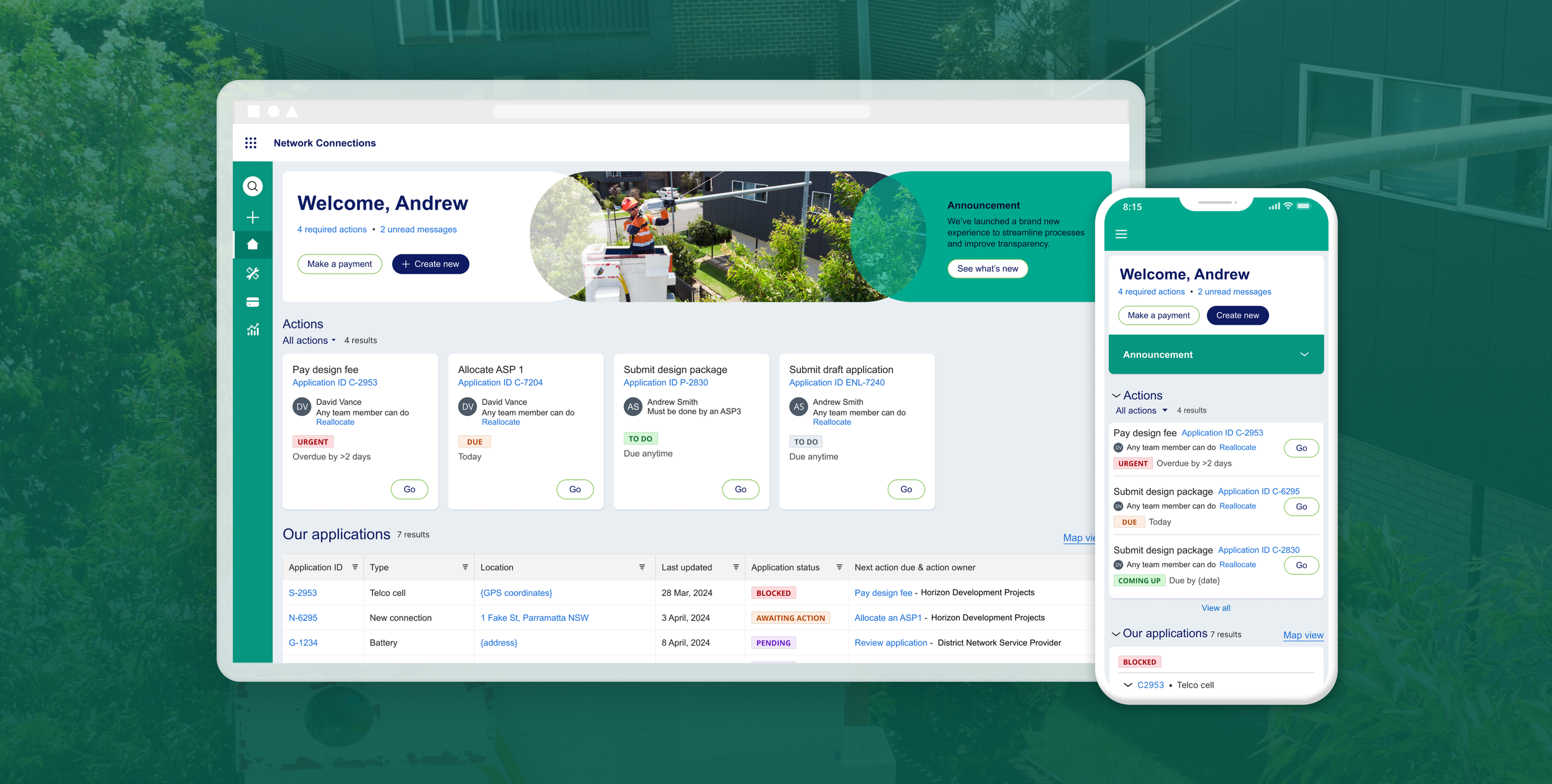
Product design approach to a large scale digital transformation of the Connections Customer Portal.

Confident Conversations
Discovery research and product concept for secondary teachers having tricky talks with teens about consent.